York & York County, Pennsylvania

Radon Mitigation in York, PA

Pennsylvania has one of the worst radon problems in the country. This is a plain guide to what mitigation actually involves in York County, what it should cost, and how to check that the contractor you are considering is certified by the state.

  • PA DEP estimates 40% of homes tested statewide exceed the EPA action guideline of 4 pCi/L
  • Radon testing and mitigation both require DEP certification in Pennsylvania
  • A typical single-family system is a sub-slab depressurization installation
  • Retest after mitigation — a system that is installed is not automatically a system that works
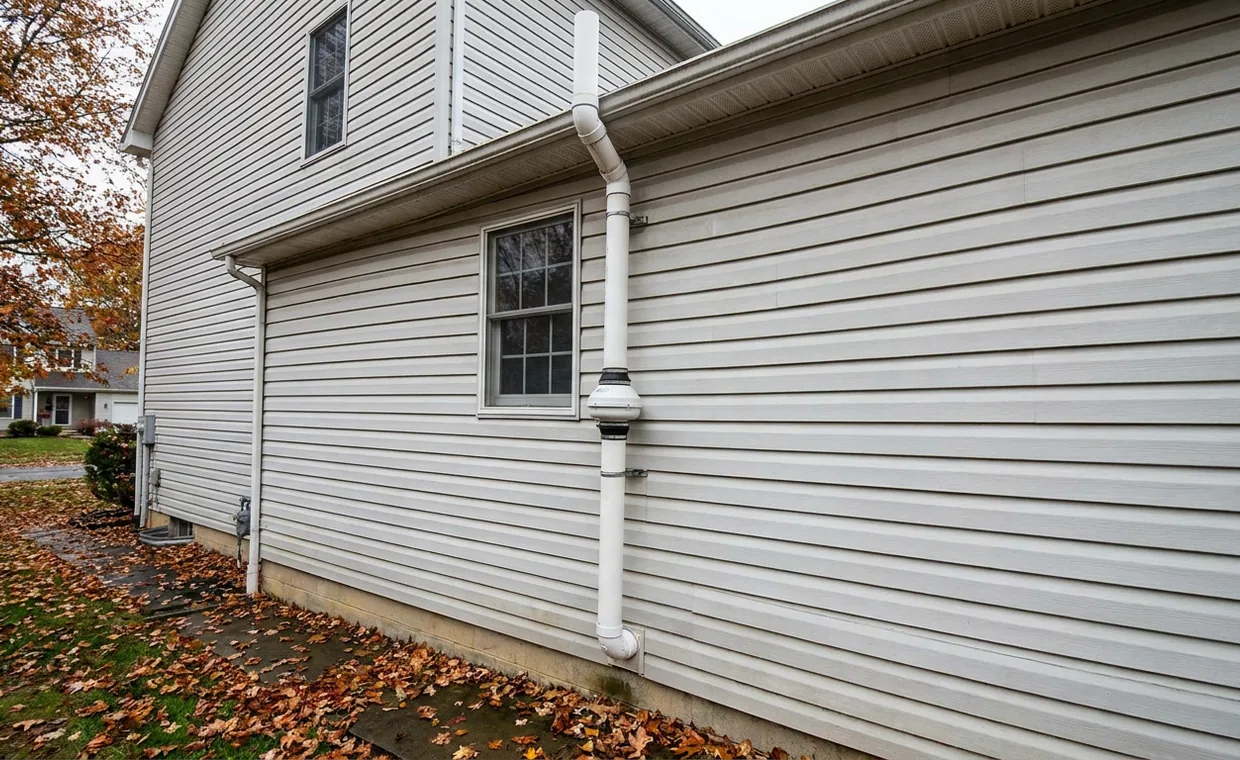
Exterior radon mitigation vent pipe and inline fan running up the side of a York County, Pennsylvania home

Why Radon Is a Serious Problem in This Part of Pennsylvania

Radon is a colourless, odourless radioactive gas produced by the decay of uranium in soil and rock. It moves up through the ground and enters buildings through whatever openings exist in the foundation — slab cracks, the gap where the slab meets the wall, sump pits, crawlspace soil, utility penetrations. Because you cannot see or smell it, the only way to know a building's level is to test it.

Pennsylvania's geology makes this worse than most states. The Pennsylvania Department of Environmental Protection states plainly that Pennsylvania has one of the most serious radon problems in the country, and estimates that 40 percent of homes tested in the Commonwealth have levels above the Environmental Protection Agency's action guideline of 4 picocuries per litre. South-central Pennsylvania, York County included, sits in the part of the state where elevated readings are routine rather than exceptional.

The reassuring part is that mitigation is well understood, mechanically simple, and permanent when done correctly. A properly designed system typically brings a home well below the action level and keeps it there, and it costs a fraction of what most people assume before they look into it.

Call (717) 555-0143 for a same-day offer

What This Site Is — and Is Not

This is an independent guide. We are not a radon mitigation contractor, we do not install systems, and we do not perform certified testing. That matters, because most of what is written about radon online is published by companies selling mitigation, and the incentive shows.

What we do is explain what the process actually involves in York County, what the numbers should look like, what Pennsylvania law requires of the people doing the work, and what questions to ask before you hire anyone. Where you need a contractor, we will point you at the Pennsylvania DEP's certified list rather than at whoever paid the most.

More about us
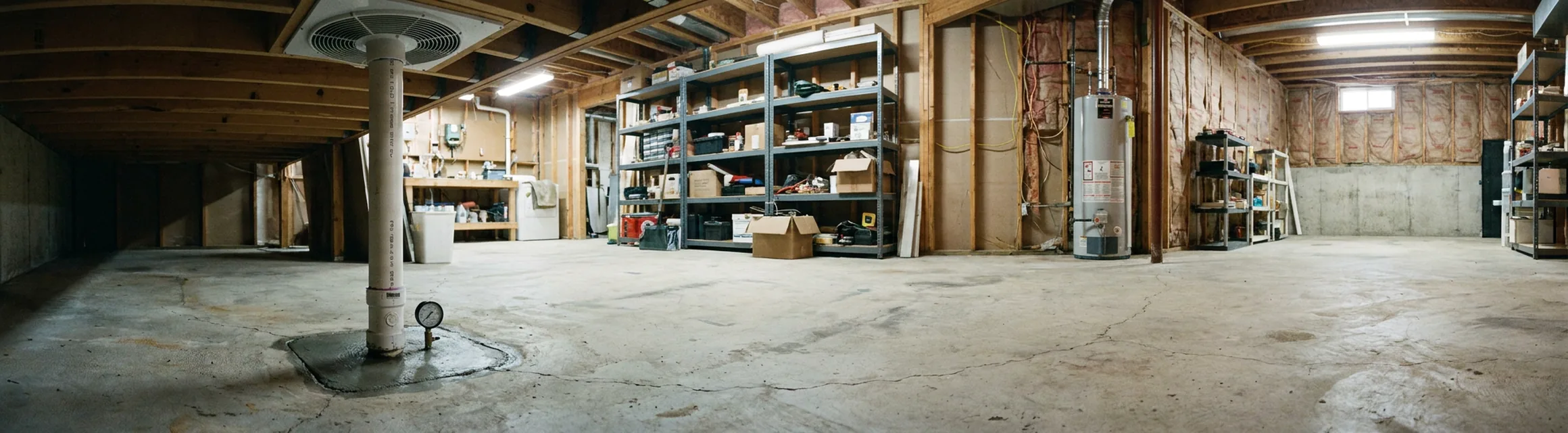
White PVC radon suction pipe rising from a sealed suction point in a residential basement slab

What We Buy and Haul

Radon Testing in York County

Short-term kits, long-term monitoring, and when a certified tester is required.

Learn more →

Choosing a DEP-Certified Contractor

Verify certification, compare quotes properly, and know what to ask.

Learn more →

View all services

Radon Across York County

Radon levels vary enormously over short distances — two neighbouring houses on the same street can test very differently, because the result depends on the soil and rock directly beneath each building and on how that particular foundation is built and ventilated.

That is the single most important practical point on this site. A neighbour's low reading tells you almost nothing about your own house, and a county-level average tells you less. The only number that matters for your property is the one that comes from testing your property.

See every area we serve

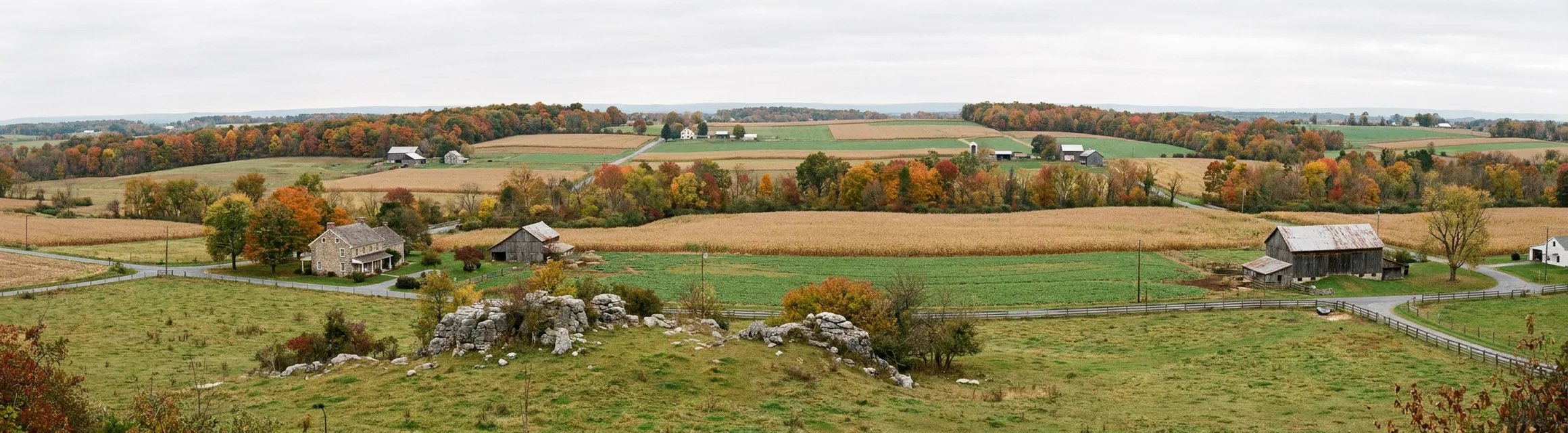
Rolling farmland and housing across south-central Pennsylvania where radon levels are commonly elevated

Why York Calls Us First

Independent of the Contractors

We do not install systems and we do not sell testing. Nothing here is written to steer you toward a particular company, which is more than can be said for most radon content online.

Pennsylvania-Specific, Not Generic

Radon rules are state-level. Pennsylvania certifies testers, mitigators and laboratories under its own Radon Certification Act, and national advice frequently misses that. Everything here is written for this Commonwealth.

Real Numbers on Cost

What drives a mitigation quote up or down, what a typical system involves, and what a quote should itemise — so you can compare two bids on something other than the bottom line.

How to Verify Certification

DEP maintains a list of certified individuals and firms. We explain how to check a contractor against it, and why you should do that before signing anything.

Testing Advice That Is Not Trying to Sell You a Test

When a cheap short-term test is sufficient, when you need a certified tester, and when the result you have is not reliable enough to act on.

Post-Mitigation Retesting

A system that is installed is not automatically a system that works. We explain what the retest should show and when it should happen.

Frequently Asked Questions

How much does radon mitigation cost in Pennsylvania?

Most single-family sub-slab depressurization systems fall in a fairly narrow band, with the variation driven by the building rather than the contractor. What moves the price: how many suction points the slab needs, whether the foundation is a basement, a slab, a crawlspace or a combination, how far the pipe has to run to discharge above the roofline, whether the route can be run outside or has to go through conditioned space, and how much sealing of cracks, sump pits and penetrations is required. Ask for the quote to itemise the number of suction points, the fan model and its warranty, the pipe routing, the sealing work, the post-mitigation test and any electrical work. Two quotes that differ by a wide margin usually differ in those items, not in profit.

Will insurance pay for radon mitigation?

Generally no. Homeowner's insurance covers sudden and accidental damage, and radon is a naturally occurring soil gas rather than an event — so mitigation is normally treated as a property improvement and paid for by the owner. There are two places the cost commonly moves off you anyway. In a real estate transaction, mitigation is frequently negotiated as a seller concession after a test result. And some Pennsylvania counties and programmes have at times offered assistance or reduced-cost testing, so it is worth asking DEP's Radon Division what is currently available before assuming there is nothing.

What time of year is worse for radon?

Winter, usually, and the reason is mechanical rather than geological. When a house is closed up and heated, warm air rising inside creates a slight negative pressure at the lowest level, which draws soil gas in through the foundation more strongly than in mild weather when windows are open. This is why the EPA recommends closed-house conditions for short-term testing — you want to measure the building near its worst realistic case rather than its best. A summer test taken with windows open can substantially understate the level you actually live with in January.

What is the average radon level in a home in Pennsylvania?

There is no single useful average, and that is the important part of the answer. The Pennsylvania Department of Environmental Protection estimates that 40 percent of homes tested in the Commonwealth exceed the EPA action guideline of 4 picocuries per litre, and describes Pennsylvania as having one of the most serious radon problems in the country. But readings vary sharply between neighbouring properties, because the result depends on the soil and rock under that specific building and on how that foundation is built. An average cannot tell you whether to mitigate. Only a test of your own property can.

How does a radon mitigation system actually work?

The standard approach is called sub-slab depressurization. A suction point is cut through the basement or slab floor, a pipe is sealed into it, and an inline fan draws soil gas from beneath the slab and discharges it above the roofline where it disperses. The fan creates a lower pressure under the slab than inside the house, so soil gas follows the pipe instead of entering through cracks and openings. Cracks, sump pits and penetrations are sealed to make that pressure field work efficiently. It is a simple system, it runs continuously, and the fan uses roughly as much electricity as a light bulb.

Does Pennsylvania require radon contractors to be certified?

Yes. The Pennsylvania Department of Environmental Protection administers a certification programme covering radon testing, radon mitigation and radon laboratory analysis, for both individuals and firms, under the Commonwealth's Radon Certification Act. DEP's Radon Division publishes lists of certified individuals and firms. Before you hire anyone for testing or mitigation in Pennsylvania, check them against that list and confirm their certification is current — this is the single most useful thing on this page.
Read all FAQs

Questions About Radon in York County?

Ask about test results, what a quote should include, or how to verify a contractor's DEP certification.

Tap to Call (717) 555-0143